


Experts Train South-West Journalists on Fact-Checking to Combat Election Misinformation
By Temidayo Anthony
Media experts have called on journalists to prioritise accuracy, verification and responsible reporting to curb the spread of misinformation and disinformation, warning that false information poses a serious threat to democratic processes, particularly during elections.
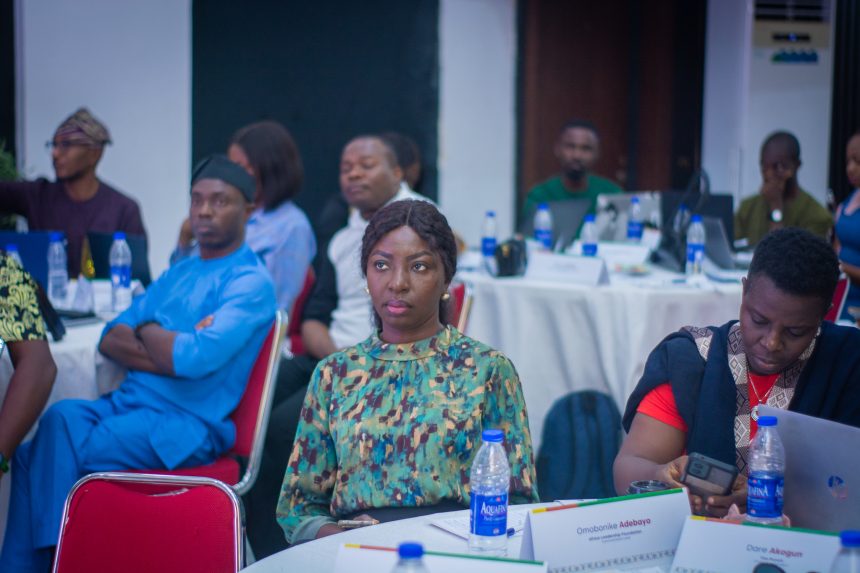
The charge was given at a three-day regional capacity-building workshop organised by Fact-Check Africa in collaboration with the European Union Support to ECOWAS in Peace, Security and Governance (ESPG), FIAP and German Cooperation. The workshop, held in Lagos from June 22 to 24, 2026, brought together 35 journalists from across the South-West geopolitical zone.

The training focused on the theme, “Technical Support, Capacity Building, Mentorship and Skills Development in Countering Misinformation and Disinformation, Fact-Checking and AI Learning,” equipping participants with practical skills to identify and verify false or manipulated content before publication.
Participants were trained on the use of digital verification tools, including Google Reverse Image Search, Google Earth, metadata analysis, image verification software, audio detection tools and other fact-checking technologies to authenticate digital content.
Facilitators explained that misinformation involves the unintentional sharing of false information by individuals who fail to verify its authenticity, while disinformation is the deliberate creation and dissemination of false content intended to deceive, manipulate public opinion or influence people’s actions.
They noted that disinformation becomes more widespread during election periods, when fabricated stories, manipulated images and misleading narratives are intentionally circulated to influence voters, damage reputations and undermine public confidence in the electoral process.
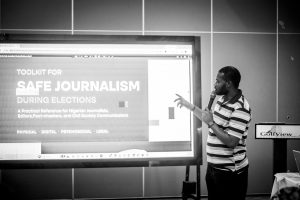
The experts stressed that information disseminated through newspapers, television, radio and digital platforms has the power to shape public opinion and influence decisions, making it imperative for journalists to uphold the principles of accuracy, fairness and verification, they also touch on Journalism Safety during and after elections.
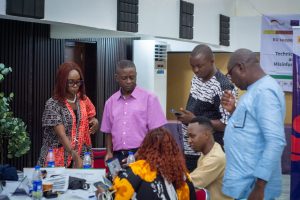
They urged media practitioners to resist the pressure to publish unverified reports in the race to break news, warning that the consequences of false reporting can be far-reaching, including inciting tension, spreading panic and weakening trust in democratic institutions.
The workshop forms part of ongoing efforts by Fact-Check Africa and its development partners to strengthen media capacity, promote ethical journalism and enhance the ability of journalists to counter misinformation and disinformation, especially in the digital age and during election cycles.
