


GTCO Autism Conference: Expert Calls for Greater Acceptance, Inclusion of Autistic People in Nigeria
By Temidayo Anthony
An Autism Spectrum Disorder Clinical Consultant, Dr. Bernadette Kilo, has called for greater acceptance, inclusion and support for autistic people across Nigerian homes, schools, healthcare institutions, workplaces and faith communities.
Speaking at the GTCO Autism Conference 2026, themed Around Autism Acceptance, Kilo said acceptance must begin within the family, stressing that parents and caregivers play a critical role in helping autistic children develop confidence and navigate societal challenges.
She explained that acceptance is one of the pillars of her “Three A’s Framework” — acknowledge, accept and act — and urged Nigerians to move beyond awareness to deliberate actions that create safe and inclusive environments for people living with autism.
According to her, autistic children and adults often face stigma, isolation and misunderstanding, while some families continue to deal with blame, shame and misconceptions about the condition.
Kilo said research has shown that acceptance at home can contribute to lower levels of anxiety, depression, emotional dysregulation and maladaptive behaviours, while reducing the need for autistic individuals to mask their true selves.
She urged parents to celebrate their children’s abilities and achievements, no matter how small, saying, “A child who is accepted at home can face any world.”
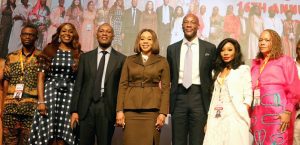
L–R: Benedict O. Sama, Licensed Clinical Psychologist; Oyinade Adegite, Chief Communications Officer, GTCO Plc; Babajide Okuntola, Deputy Managing Director, GTBank; Miriam Olusanya, Managing Director, GTBank; Segun Agbaje, Group Chief Executive Officer, GTCO Plc; Osezusi Bolodeoku, International Behaviour Analyst and Autism Advocate; and Camille Proctor, Autism Advocate, during the 16th GTCO Autism Conference, held at the MUSON Centre, Lagos.
On education, the autism expert called for the integration of autism and inclusive education into teacher-training curricula, noting that many teachers enter classrooms without adequate knowledge of autism or how to support autistic learners.
She said inclusion should not simply mean placing autistic children in mainstream classrooms without support, but ensuring that they receive the necessary assistance to learn in ways that suit their individual needs.
Kilo cited estimates suggesting that more than 600,000 children in Nigeria may be living with autism spectrum disorder, adding that the figure demonstrates the need for stronger systems of identification, intervention and support.
She also called for improved autism awareness and training within Nigeria’s healthcare system, noting that autistic patients may communicate pain and discomfort differently.
According to her, hospitals should establish sensory-friendly spaces and train healthcare professionals to understand the unique communication and sensory needs of autistic patients.
She further urged parents and caregivers to provide healthcare professionals with information about their children’s triggers, communication styles and what helps to calm them during medical consultations.
Kilo also challenged employers to rethink conventional recruitment and workplace practices to make room for autistic adults, who she described as an often overlooked and unsupported community.
She recommended alternative interview methods, structured onboarding processes, clear checklists, reasonable workplace accommodations and training for managers on sensory needs, executive functioning and different communication styles.
The consultant also appealed to religious institutions to embrace autistic individuals and their families, stressing that no condition should disqualify anyone from participating fully in a faith community.
She urged religious leaders to preach acceptance and called for the training of ushers and other frontline workers who interact directly with members of congregations.
