

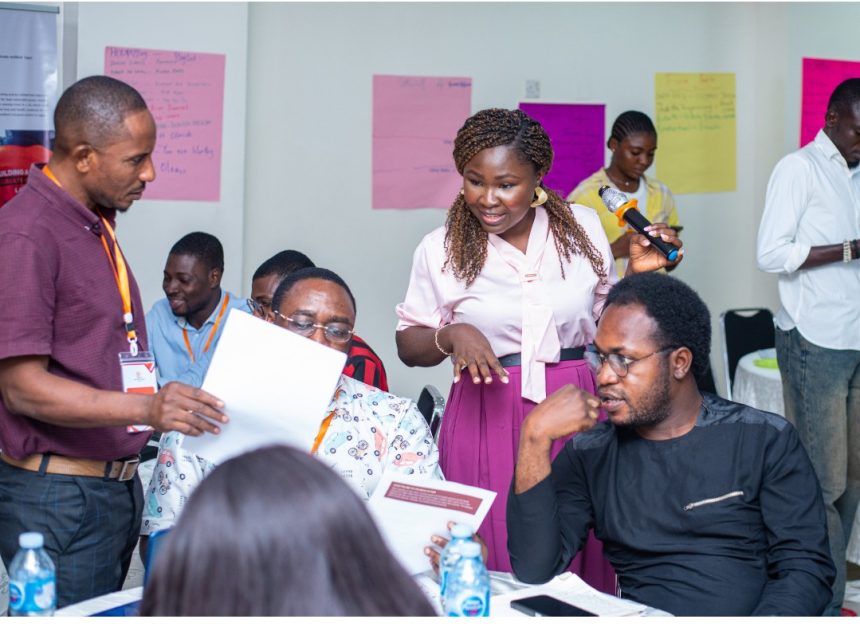

Journalists Trained to Improve Climate Heat Reporting in Nigeria
By: Abudu Olalekan
Let’s be honest Nigeria is getting hotter, and it’s not just “normal weather” anymore. Last week, journalists from across Lagos spent three days learning how to actually report on this without putting readers to sleep. It’s all part of the launch for the Hotsteppers Project. Think of it as a massive, collaborative push between researchers, government folks, and international bodies trying to build some real climate resilience in the state.
Backed by Cityzens, the Hotsteppers team had one main message for the room: stop treating extreme urban heat like it’s just another sunny day. It’s a quiet disaster. The facilitators pushed reporters to look past the usual weather reports and start investigating how this heat is wrecking livelihoods, transport, and public health.

We aren’t just talking about abstract climate stats here. It’s about the danfo drivers, the market traders, and everyday commuters sweating it out for hours in the traffic. Using scientific data to tell those real, human stories that was the whole point of the workshop.
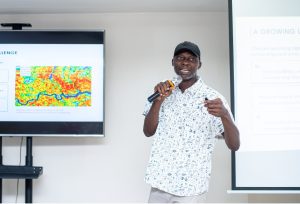
They also brought out the heavy-duty tech. Satellites. Thermal imaging. GIS mapping and temperature sensors. Experts showed how they’re mapping out specific neighborhoods in Lagos to see who is getting hit the hardest by trapped heat. Pretty eye-opening stuff, honestly. When you know where the heat is worst, you can actually start designing urban spaces that don’t bake their residents alive.
But doom-and-gloom reporting doesn’t really help anyone. That’s why the sessions leaned heavily into solutions-oriented journalism. Don’t just report that people are suffering. Look at what’s working. Where are the gaps? Who needs to be held accountable for making the city safer?
And just as important, you have to bring the community along. Climate initiatives usually flop if the locals don’t even understand why they’re happening, which is where consistent, no-nonsense media reporting comes in.
This isn’t a one-off training, though. They’ve set up the Hotsteppers Media Network so reporters keep getting direct access to new research, climate experts, and funding opportunities. Ongoing support, basically.
Everyone walked out with a shared agreement to stop treating climate stories like seasonal disaster coverage. Heat is a daily health threat. With better, evidence-backed journalism, maybe we can finally push the right policy buttons and make Nigerian cities a little easier to breathe in.
